How much caffeine is actually in a cup of green tea?
Depending on the tea type and brewing method, a typical cup contains around 20–50 mg of caffeine.
In this guide, we’ll break down the caffeine content of Japanese green teas using official data from the Japanese Standard Tables of Food Composition (日本食品標準成分表), then translate it into easy “mg per cup” and “mg per 100 ml” numbers you can use in real life. Along the way, we’ll compare green tea to coffee, look at matcha, hojicha, genmaicha, and gyokuro, and explore low‑caffeine and caffeine‑free options you can find at Tokubetsu.
How Much Caffeine Is in Green Tea?
Green tea is like the middle child of caffeinated drinks—not as intense as coffee, not as sleepy as herbal tea, but just right. If we peek at the Japanese Standard Tables of Food Composition, a typical cup of Japanese green tea (sencha) comes in at about 20 mg of caffeine per 100 ml, which is roughly 40–50 mg per 200–240 ml cup. International sources give a similar range of about 20–50 mg per 8 oz cup, depending on the tea, water temperature, and how long you steep it.
In tea science, caffeine is one of the “big three” components alongside catechins and theanine, and it’s responsible for much of green tea’s gentle bitterness. Young tea buds naturally contain more caffeine, which is why teas made from tender leaves—like matcha and gyokuro—pack more of a punch than everyday sencha.
Here’s how different Japanese green teas stack up:
- Regular green tea (sencha): about 20 mg per 100 ml → roughly 40–50 mg per cup (200–240 ml).
- Matcha (powdered green tea): around 64 mg per 100 ml when prepared with 2 g of powder—because you drink the whole leaf, not just an infusion.
- Houjicha (roasted green tea): about 20 mg per 100 ml in the data, though many people brew it a bit lighter, so it feels gentler.
- Gyokuro (shaded premium green tea): up to 160 mg per 100 ml, roughly eight times the concentration of sencha. It’s served in tiny, syrupy infusions, so you’re not drinking a big mug at that strength.
- Genmaicha (green tea with roasted rice): about 10 mg per 100 ml, since the rice dilutes the tea leaf content.
So if you’ve been wondering whether your green tea is a soft whisper of caffeine or a secret little power‑up, the answer is: it depends which Japanese tea is in your cup—and how you brew it.

Caffeine per 100 ml and per Cup (Quick Reference)
To answer all those “per 100 ml”, “per cup”, and “how many mg” searches at once, here’s a simple reference. Think of it as your caffeine cheat sheet based on Japanese and international data.
| Drink / Tea type | Caffeine (per 100 ml) | Typical caffeine per serving | Notes |
| Sencha (green tea) | ~20 mg | ~40–50 mg per 200–240 ml cup | Everyday Japanese green tea. |
| Matcha | ~64 mg | ~60–80 mg per 100 ml bowl | Powdered tea, you drink the whole leaf. |
| Gyokuro | ~160 mg | Very high per 100 ml, but tiny servings | Super‑concentrated shaded tea. |
| Houjicha | ~20 mg | ~20–40 mg depending on brew | Roasted green tea, often brewed milder. |
| Genmaicha | ~10 mg | ~20–25 mg per cup | Green tea blended with roasted rice. |
| Black tea | ~30 mg | ~40–70 mg per 200–240 ml | Japanese data for standard black tea. |
| Oolong tea | ~20 mg | ~40–50 mg per cup | Similar to sencha per 100 ml. |
| Brewed coffee | ~60 mg | ~80–100 mg per 200–240 ml | Drip coffee, much stronger than green tea. |
| Herbal teas (barley, rooibos, corn) | 0 mg | 0 mg | Naturally caffeine‑free. |
As a rule of thumb:
- Per 100 ml: sencha and houjicha sit around 20 mg, genmaicha at 10 mg, matcha higher, gyokuro very high.
- Per cup (≈200–240 ml): regular green tea usually lands in the 30–50 mg range, depending on type and strength.
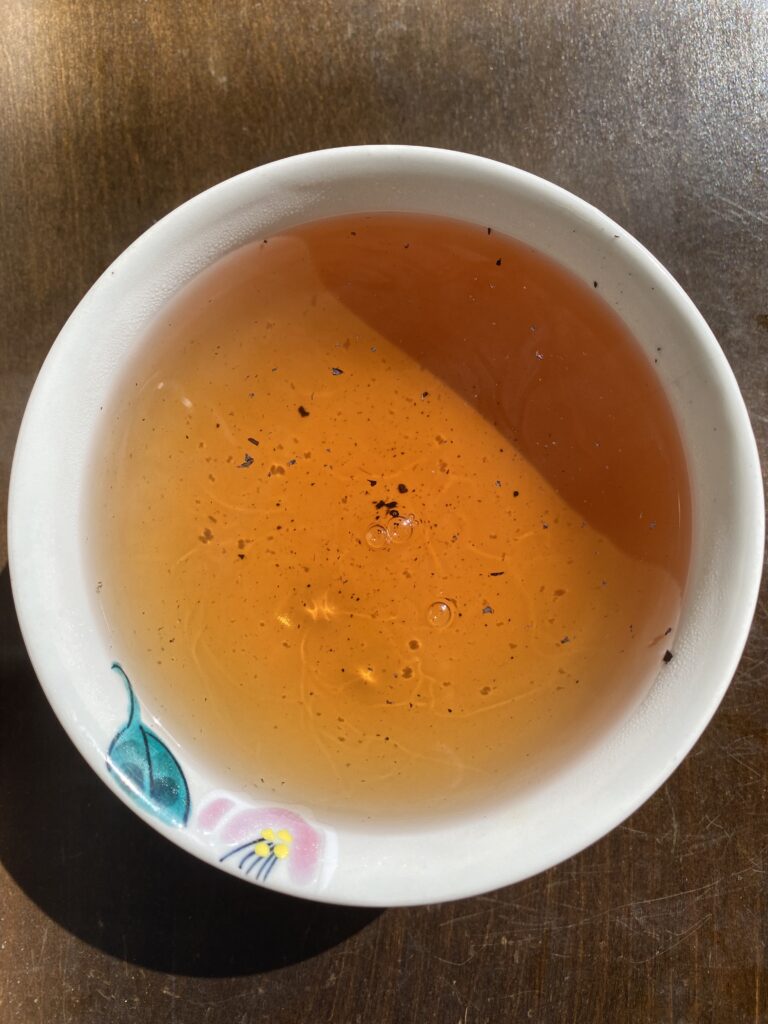
Green Tea vs Other Drinks: A Caffeine Showdown
Think green tea packs a punch? Let’s see how it compares to the rest of your caffeine line‑up.
Per roughly 8 oz (about 230–240 ml):
- Green tea (sencha): ~30–40 mg, typical range 20–50 mg.
- Black tea: ~40–70 mg, slightly higher than green tea.
- Brewed coffee: ~80–100 mg, about 2–3× a standard cup of green tea.
- Instant coffee: ~65–100 mg, often around double sencha.
- Soft drinks (cola, 8 oz): ~23–37 mg, similar to or slightly less than green tea.
- Energy drinks (8 oz): ~72–80 mg, usually well above green tea.
So green tea is generally a low‑to‑moderate caffeine drink: stronger than herbal tea, but lighter than black tea and far below coffee or energy drinks per cup. If you want to reduce your daily caffeine without giving up hot drinks, swapping one coffee for a couple of cups of green tea is an easy win.
What Does Caffeine in Green Tea Actually Do?
Caffeine may be small, but it’s mighty. In Japanese explanations, it’s credited with:
- Wake‑up effect (覚醒作用): It stimulates your central nervous system, helping you feel more awake and improving concentration and mental performance.
- Diuretic effect (利尿作用): It can gently increase urine output.
- Exercise support: When combined with moderate exercise, caffeine encourages your body to use fat for fuel, which can support endurance.
- Alcohol metabolism: Tea has long been used after drinking alcohol; caffeine helps speed up alcohol metabolism a bit, contributing to that “post‑party tea” tradition.
In green tea, caffeine teams up with L‑theanine—a calming amino acid—to create that focused, steady alertness many people love. Compared to coffee, the “buzz” is usually smoother, with fewer jitters and less of a sudden crash.
Caffeine from green tea kicks in within about 30–60 minutes and can keep you feeling more alert for 3–5 hours or more, depending on your metabolism.
Does Green Tea Keep You Awake?
Short answer: it can, especially if you’re sensitive to caffeine or drink it late in the day.
Green tea has less caffeine than coffee, but a normal‑strength cup still delivers about 30–40 mg of caffeine, and that’s enough to nudge your sleep if you drink it in the evening. If you:
- Have trouble sleeping
- Are very caffeine‑sensitive
- Already drink coffee or energy drinks
…then it’s smart to keep your green tea earlier in the day. For most people, avoiding green tea after around 4–5 PM is a safe bet, and switching to low‑caffeine or caffeine‑free teas at night keeps your tea ritual intact without sacrificing sleep.
Great evening choices:
- Houjicha – still caffeinated but often brewed lighter, with a toasty, relaxing vibe.
- Genmaicha – lower caffeine thanks to the roasted rice, gentle on the system.
- Herbal and grain teas – barley tea, rooibos, corn tea, and other caffeine‑free infusions.
You’ll find plenty of evening‑friendly options in the Tokubetsu shop if you want a night‑time tea habit without the 2‑am side effects.
How Much Green Tea Is Too Much?
Most health authorities put the safe upper limit for healthy adults at up to 400 mg of caffeine per day. If we convert that using our sencha numbers:
- At ~40–50 mg per cup, that’s roughly 8–10 cups of standard‑strength green tea spread over a day.
- If you also drink coffee, energy drinks, matcha, or gyokuro, your green tea “budget” goes down.
A few simple rules:
- If green tea is your only caffeine source, up to about 2 liters of normal‑strength sencha per day is a reasonable upper limit for most adults.
- If you’re adding coffee or matcha on top, dial green tea back and space your caffeine across the day.
- If you’re pregnant, breastfeeding, or have heart rhythm issues, anxiety, or other health concerns, talk to your doctor or midwife about a personal caffeine limit.
Green tea brings more than caffeine to the table: catechins (antioxidants) and L‑theanine have been linked with benefits for heart health, metabolism, brain function, and stress. So it’s not just about the buzz—there’s a whole wellness package in that cup.
What About Decaf and “Low‑Caffeine” Green Tea?
Here’s the slightly annoying truth: almost all real green tea has caffeine—that includes sencha, matcha, gyokuro, and houjicha. Decaffeinated green tea has had most of the caffeine stripped away, but it’s not completely free; tests usually find around 1–5 mg per cup, compared with roughly 20–50 mg in regular green tea.
So if you’re extremely caffeine‑sensitive, even decaf might give you a tiny nudge. It’s a great option if you just want to cut your caffeine load while still enjoying a familiar green tea flavor, but it’s not a true zero.
If you want no caffeine at all, go straight for herbal and grain teas:
- Roasted barley tea (mugicha)
- Rooibos
- Corn tea
- Various floral or fruit tisanes
These come with 0 mg caffeine and still give you that cozy, comforting “tea time” feeling. And yes—you’ll find plenty of these evening‑friendly options at Tokubetsu.
Caffeine‑Free Alternatives
Need to cut down on caffeine but still crave a flavorful tea moment? You’ve got options:
- Caffeine‑free herbal teas: barley tea, rooibos, corn tea, and other grain/herbal infusions are naturally caffeine‑free and perfect for evenings.
- Lower‑caffeine Japanese teas: genmaicha and lightly brewed houjicha give you a softer experience than sencha, while still feeling very “Japanese tea”.
- Decaf green tea: a good compromise when you still want that green tea taste with much less caffeine—just remember there’s still a tiny amount left.
If you’re pregnant, breastfeeding, or managing a health condition, these gentle options can keep tea in your life without stressing your caffeine budget.
Green Tea for Moms‑to‑Be and New Moms
Expecting or breastfeeding and still want your green tea time? In many guidelines, a daily limit of around 200 mg of caffeine is suggested during pregnancy and breastfeeding, though recommendations vary. Using our sencha numbers:
- That’s roughly 4–5 cups of standard green tea (40–50 mg each) if it’s your only caffeine source.
- If you also drink coffee, cola, or eat chocolate, your green tea “allowance” shrinks.
Practical approach:
- Stick to 1–1.5 liters of normal‑strength green tea or less per day and count all your other caffeine sources too.
- Consider alternating with genmaicha, houjicha, or herbal teas to keep your tea ritual without overdoing caffeine.
As always, your personal situation matters, so when in doubt, check with your doctor or midwife.
FAQs
Q: How much caffeine is in hojicha?
A: Hojicha is listed at about 20 mg of caffeine per 100 ml, similar to sencha. In practice, many people brew hojicha a bit lighter, so a typical cup often feels gentler and is popular as an evening tea in Japan.
Q: How much caffeine is in genmaicha?
A: Genmaicha—green tea blended with roasted rice—contains around 10 mg of caffeine per 100 ml, or roughly 20–25 mg per cup, because the rice dilutes the amount of tea leaf. It’s a great choice if you want a toasty, comforting flavor with less caffeine than regular sencha.
Sources
- Japanese Standard Tables of Food Composition (日本食品標準成分表 2015年版 ほか・お茶関連抜粋 PDF)
https://www.mext.go.jp/content/20201225-mxt_kagsei-mext_01110_011.pdf - 主な日本茶の栄養成分 – 日本食品標準成分表2015年版より(日本茶のカフェイン量:玉露・煎茶・ほうじ茶・玄米茶・紅茶・烏龍茶)
https://japanesetea.net/html/page3.html - お茶の成分と健康性 カフェイン(若い芽にカフェインが多い・抹茶や玉露のカフェイン量)
https://www.ocha.tv/components_and_health/benefits_greentea/caffeine/ - カフェインとは?摂取量や効果と影響、食品中の含有量について(日本のカフェイン解説・摂取量)
https://cfsa.or.jp/cafeine-effectiveness/ - ほうじ茶にカフェインは含まれる?効果・効能や作り方も(ほうじ茶のカフェイン量と飲み方)
https://kawashima-ya.jp/contents/?p=29285 - 管理栄養士が「緑茶に含まれるカフェイン」を解説!他の飲み物との比較や睡眠への影響も説明します(トクバイニュース)
https://tokubai.co.jp/news/articles/6581 - 緑茶のカフェインはどのくらい?摂取量の目安は?(ハルメク美と健康)
https://halmek.co.jp/beauty/c/healthr/4726 - Caffeine content for coffee, tea, soda and more – Mayo Clinic
https://www.mayoclinic.org/healthy-lifestyle/nutrition-and-healthy-eating/in-depth/caffeine/art-20049372 - Caffeine levels in different foods and drinks – EUFIC
https://www.eufic.org/en/healthy-living/article/caffeine-levels-in-different-foods-and-drinks - How Much Caffeine Is in Green Tea? – Healthline
https://www.healthline.com/nutrition/caffeine-in-green-tea - Does Green Tea Have Caffeine? (Chart + Gentle Brew Guide) – Nepali Tea Traders
https://www.nepaliteatraders.com/blogs/nepali-tea-traders-blog/does-green-tea-have-caffeine - How Much Caffeine Is in Green Tea? Everything You Need to Know – TEA‑US
https://tea-us.com/blogs/news/caffeine-in-green-tea-everything-you-need-to-know-for-an-informed-sip - How Much Caffeine Is in Matcha vs Coffee?(matcha caffeine ranges)
https://matchadirect.kyoto/blogs/matcha-101/how-much-caffeine-is-contained-in-matcha-vs-coffee
EST: Mulle kingiti Tokubetsust ostetud Makinohara mahe roheline tee Shizuokast, mis oli väga maitsev. Suur tänu! Edu Tokubetsule!
ENG: I was given a gift of Makinohara organic green tea from Shizuoka, purchased from Tokubetsu, which was very tasty. Thank you very much! Good luck to Tokubetsu!